



Investing $5000
If you’ve got $5000 or more stashed and more than five years to grow it, you could put it into diversified investment options, giving you access to global and domestic sharemarkets and bond markets, says Andrew Wilson, partner, Pitcher Partners.

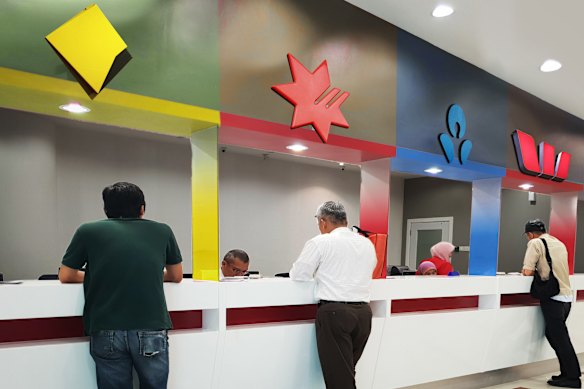
A bank deposit is generally the most appropriate for short timeframes.Credit:
“For longer-term investors who can tolerate volatility, options that include allocations to small-cap companies and emerging markets can be worth considering. However, investors should be mindful that while share markets tend to produce attractive returns over the long run, they do deliver negative years roughly every four to five years, and we can’t predict when those will occur,” Wilson says.
“For short timeframes, such as one or two years, a bank deposit is generally the most appropriate investment. Look for a high-interest at-call account or a term deposit. Or, put the money into your super fund,” he says.
Investing $10,000
If you’re prepared to take a little risk, the sharemarket can offer potentially strong returns, according to Findex wealth adviser Sosha Jay.
“Diversification is essential – spreading your investment across different asset classes, sectors or geographies can reduce risk and help achieve more consistent returns.”
For a safer bet or if you need access to funds in the short term, high-interest savings accounts or term deposits could be a good bet. “They provide capital security and guaranteed interest, making them a sensible option for those who prioritise safety and liquidity,” Jay says.
Investing $20,000
If you’ve managed to stash away $20,000 in cold hard cash, it shouldn’t be left sitting under the mattress losing value to inflation, Grady Wulff, market analyst at Bell Direct says.
If you’re holding on to that much, consider investing in equities. “The caveat investors need to know is that a higher allocation to equities must come with a higher appetite for risk,” she says.
Loading
“Listed markets can be a bit of a rollercoaster in the short term, so investors need to be prepared for ups and downs. That’s where diversification and a long-term view become essential.”
Sectors such as tech and AI have been on a tear lately, but they’re not for the faint-hearted. Investors should also be mindful that slowing US growth and tariffs are likely to be headwinds over the next year or two, she says.
Surging global defence amid escalating geopolitical tensions has also created new investment opportunities.
But you’d need to be prepared to stash your money for three to five years, Wulff says. “This allows your money to grow, and you can benefit from the power of compounding returns, where you earn returns on your returns, while riding out the usual ups and downs of the market.”
Investing $50,000
A mattress stash of $50,000 is costing roughly $2500 a year in lost interest, and it does nothing to counter inflation, says Steven Tropoulos, group director of property finance specialist firm Highfield Private.
“One of the simplest ways to put that money to work is to redeploy it as a property deposit, either on a first home or on an affordable regional investment that can be positively geared from day one,” says Tropoulos.
There are entry-level listings for which $50,000 more than covers a 15 per cent or 20 per cent deposit on the market right now, he says.
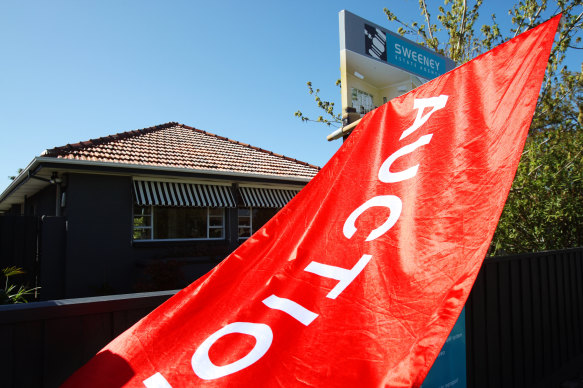
Try redeploying that $50,000 cash as a property deposit.Credit: Jessica Shapiro
In Broken Hill, a three-bedroom house is on the market for $295,000. A 17 per cent deposit would be about $50,000, leaving enough headroom for stamp duty and legal fees. The weekly median rent in the town sits near $400, which readily services a loan of that size.
Or, a unit in Strahan on Tasmania’s west coast is advertised at $260,000. A $50,000 deposit equates to roughly 19 per cent of the purchase price, keeping the loan-to-value ratio under the 80 per cent threshold that banks prefer and avoiding lender’s mortgage insurance.
“Compared to earning zero under the couch, or even 5 per cent in a savings account, redirecting $50,000 into a well-chosen property can deliver a double dividend, capital growth over time and rental income that rises with inflation.”
Before you leap, be sure to run the numbers with a broker to ensure the loan structure suits your circumstances, Tropoulos says.
Loading
- Advice given in this article is general in nature and is not intended to influence readers’ decisions about investing or financial products. They should always seek their own professional advice that takes into account their own personal circumstances before making any financial decisions.
Expert tips on how to save, invest and make the most of your money delivered to your inbox every Sunday. Sign up for our Real Money newsletter.
link