6 Best Pieces of Money Advice for the Middle Class
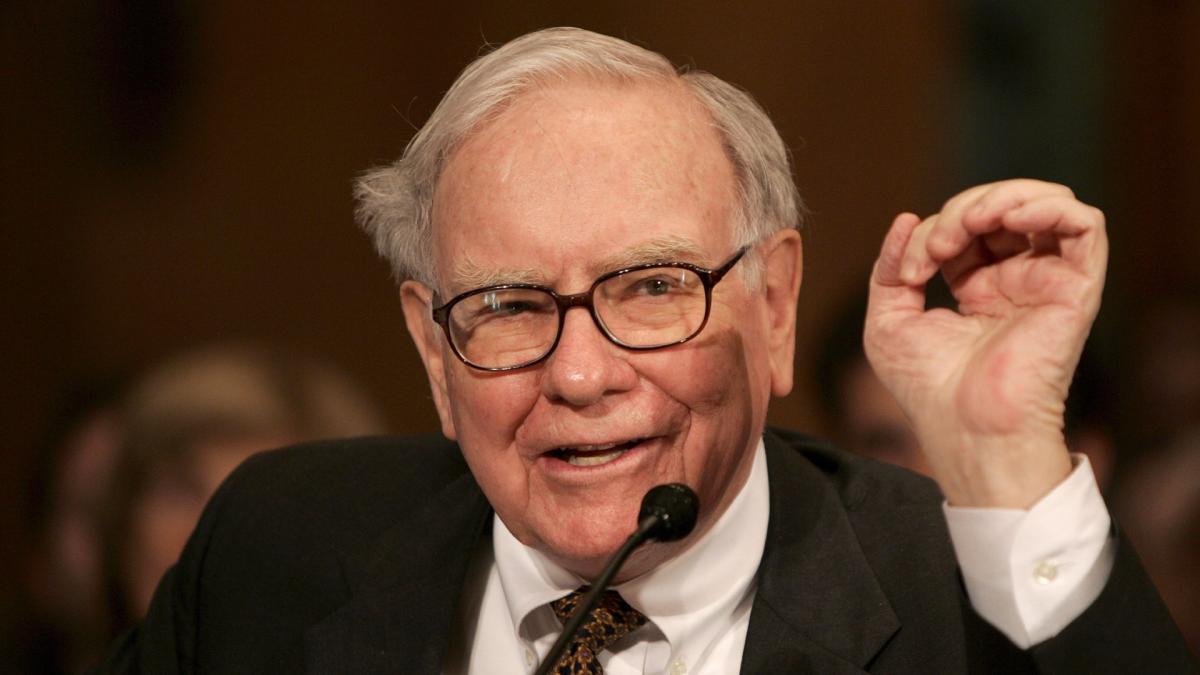

For one of the richest people in the entire world, Warren Buffett, the CEO of Berkshire Hathaway, is surprisingly down to Earth.
Learn More: Warren Buffett: 10 Things Poor People Waste Money On
Check Out: 6 Unusual Ways To Make Extra Money That Actually Work
He famously lives in the same modest house in Omaha that he bought in 1958 for $31,500, and his favorite meal for breakfast is McDonald’s. Between that and his folksy, easy-to-understand wisdom, it’s no wonder that Buffett is so popular with the general public.
Investors no doubt also love his enviable track record, which has more than doubled the average annual return of the S&P 500 since 1965, an incredible run. The bottom line is that when Buffett talks, people listen.
With that in mind, here are some of the best pieces of financial advice for the middle class offered up by the man known as the “Oracle of Omaha.”
Trending Now:
Buffett isn’t the first or the only one to recommend “paying yourself first,” but he’s a vocal advocate of it.
Buffett approaches the problem of prioritizing savings through wise budgeting. As the billionaire puts it: “Do not save what is left after spending, but spend what is left after saving.”
The idea behind this philosophy is that if you wait to sock away savings until after you’ve spent all your money in a given month, it’s highly likely that you’ll find there’s nothing left. But if you instead save your money first, you’ll have to budget what’s left so that it stretches to cover all of your expenses.
This serves the dual purpose of forcing you to cut down on needless expenditures, while at the same time forcing you to build up savings, even on a smaller salary. Some middle-class Americans feel that they don’t earn enough to save, but when you flip the equation on its head like Buffett suggests, you might find out that you can save much more than you imagine.
For You: How To Become Rich: 9 Fastest Ways, According To Experts
On the topic of budgeting, Buffett says that one of the keys to financial prosperity is simply to reduce your unnecessary expenses.
How do you know which ones are unnecessary? If you force yourself to live on a tighter budget, you’ll see right away which expenses you prioritize in life and which ones might be extra costs that you don’t really need. Over time, even a little amount of savings can build into a large amount.
It’s true that billionaire investors like Warren Buffett have something of a leg up over the average middle-class American when it comes to picking and choosing good investments. But that doesn’t mean that you don’t have access to wealth-building investments.
link

:max_bytes(150000):strip_icc()/personalfinance_definition_final_0915-Final-977bed881e134785b4e75338d86dd463.jpg "What Is Personal Finance, and Why Is It Important?")