Canada’s energy sector unfazed by Venezuela news
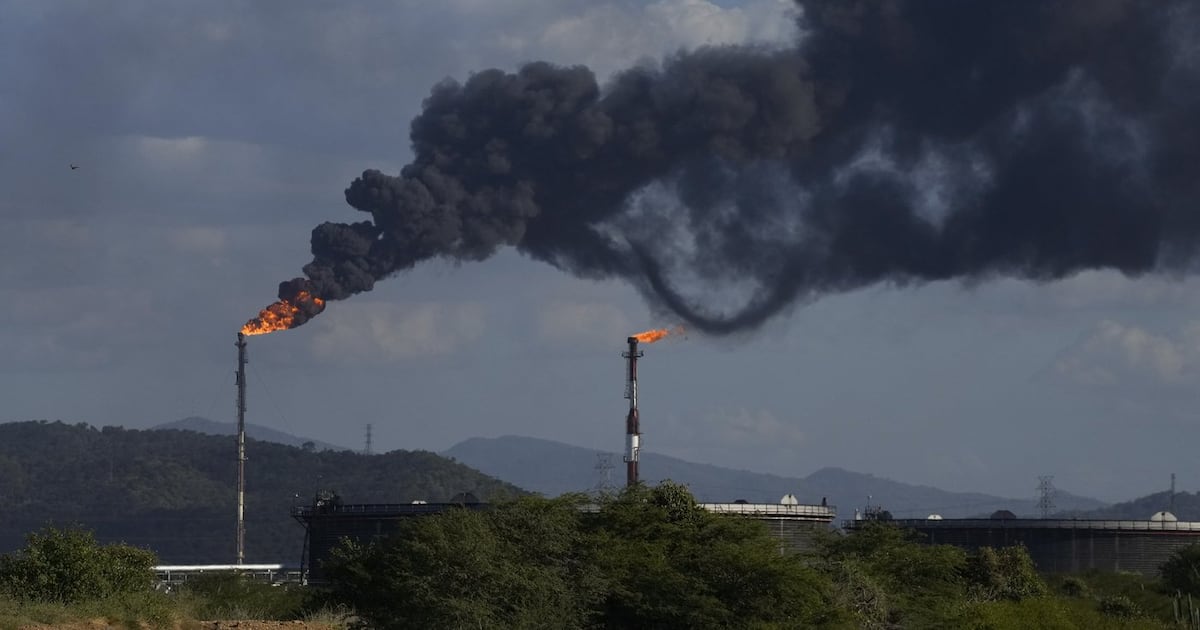
Canadian energy stocks steadied after recent losses as investors assessed fresh uncertainty tied to Venezuela, with markets largely treating the issue as a longer-term consideration rather than an immediate threat.
BNN Bloomberg spoke with Nate Thooft, chief investment officer and senior portfolio manager at Manulife Investment Management, about why the market response has been muted and where he sees more compelling opportunities beyond traditional energy exposure.
Key Takeaways
- Markets are increasingly discounting geopolitical uncertainty, often viewing developments like Venezuela as long-term opportunities rather than immediate risks.
- Even in a favourable political scenario, rebuilding Venezuela’s oil production would require major capital investment and could take five to 10 years.
- Venezuela’s current oil output is too small to materially affect global supply or Canadian energy fundamentals in the near term.
- Energy-related opportunities may be better expressed through industrial companies tied to infrastructure, defence and AI spending.
- Select non-North American regions, including Japan, China and broader emerging markets, offer attractive valuation and structural growth opportunities.

Read the full transcript below:
ROGER: The Canadian energy sector is looking to rebound today following significant losses yesterday, in light of news coming out of Venezuela. Let’s get more on how this is impacting the broader markets. Joining us is Nate Thooft, chief investment officer and senior portfolio manager at Manulife Investment Management. Nate, thanks as always for joining us. It looks like things are starting to normalize, with investors taking a step back and realizing this is likely a longer-term situation.
NATE: Yeah, I 100 per cent agree with that. The reality is that the market, in general, is looking at most of the risks and uncertainties developing across the world with a half-glass-full mindset. Venezuela is another example of that. Yesterday, when you looked at certain companies, particularly some U.S.-based oil names and industrial names, they benefited from the perspective that, longer term — or even nearer term — there could be additional spending tied to the oil situation. That second-hand impact was perceived as more negative for some Canadian names. The reality, though, is that this is a very long-term issue. We’re talking about a decade, because it will take a significant amount of capital and time to meaningfully change Venezuela’s energy infrastructure.
ROGER: Do you think we’ll actually see that unfold? Oil companies are typically cautious. They think long term, but they also face political pressure. Do you see them moving ahead? Chevron is there now, but other groups were there earlier. Could they go back in?
NATE: I think the administration has intentions to help facilitate that. I do think companies — particularly those that have operated there in the past or currently operate there — would like to do so under a more stable political environment. If they’re incentivized by the U.S. administration, that’s another benefit for them. Proximity isn’t a major challenge, but the infrastructure requires a lot of rebuilding, and that’s going to cost a significant amount of capital, both from the major oil companies and other players. The reality is there’s a very large oil reserve that’s underutilized. Venezuela currently generates about one per cent of global oil output. Relative to its own history, that’s very low, but in absolute terms, it doesn’t move the needle for global oil production today.
ROGER: What does this mean for Canadian energy and Canadian oil? There’s often comparison between Venezuelan crude and Alberta oil. Are they competition now?
NATE: It means very little over the next five years. Longer term, yes, it could create another competitor for Canada. At the same time, Canada has options. It can look for other export destinations, and it’s been working on that for years. Asia is another opportunity, although that also requires infrastructure buildout. Venezuela could become competition for Canada if it becomes more stable and rebuilds its infrastructure, but that’s a five- to 10-year dynamic before it even begins to materialize. In the near term, it’s more about sentiment and fear than any fundamental impact on Canadian energy names.
ROGER: There’s been a lot of focus on energy given what’s happening with artificial intelligence and rising power demand. Is energy the best place to be, or do you see alternatives?
NATE: When we think about sectors, there are a number of areas where we see opportunity. One area that overlaps well with energy and infrastructure buildout is the industrial sector. Industrials have several tailwinds. Even with yesterday’s Venezuela news, there was some benefit for industrial names due to the perception of future infrastructure spending related to energy — again, a longer-term theme. Industrials have also benefited from defence spending, which has been a significant driver over the past year or two as governments globally increase defence budgets. Most defence-related companies sit within the industrial sector. And probably most importantly, many industrial companies benefit from AI-related infrastructure spending. If you’re looking to play energy and infrastructure, combining those tailwinds — AI spending and defence — and focusing on high-quality industrial names is, in our view, the best way to do it.
ROGER: You’re also suggesting investors look outside North America.
NATE: Yes. There are several areas outside North America we like. Japan stands out. It’s had a strong start to the year, but we still see attractive valuations. There are secular trends at work, governance improvements, margin expansion and potential M&A activity. We also like parts of emerging markets. China, in particular, is starting to look more attractive. While there are still concerns around property, some of the worst may be behind us, and there are benefits coming from stimulus measures. More broadly, emerging markets offer opportunities driven in part by their own investments in AI and technology infrastructure.
ROGER: Any concerns around the yen when it comes to Japan?
NATE: The yen is always an important consideration. Japanese stocks generally prefer a weaker yen, but that doesn’t mean it has to remain persistently weak. As long as currency moves are gradual and relatively stable — even in a scenario where the yen appreciates as monetary policy normalizes — it shouldn’t have a meaningful negative impact on Japanese equities. The real challenge comes from sharp, sudden moves in the yen, which can drive negative sentiment around the market.
ROGER: We’ll have to leave it there. Nate, thanks as always for joining us, and Happy New Year.
NATE: Thank you.
ROGER: Nate Thooft, chief investment officer and senior portfolio manager at Manulife Investment Management.
—
This BNN Bloomberg summary and transcript of the Jan. 6, 2026 interview with Nate Thooft are published with the assistance of AI. Original research, interview questions and added context was created by BNN Bloomberg journalists. An editor also reviewed this material before it was published to ensure its accuracy and adherence with BNN Bloomberg editorial policies and standards.
link